







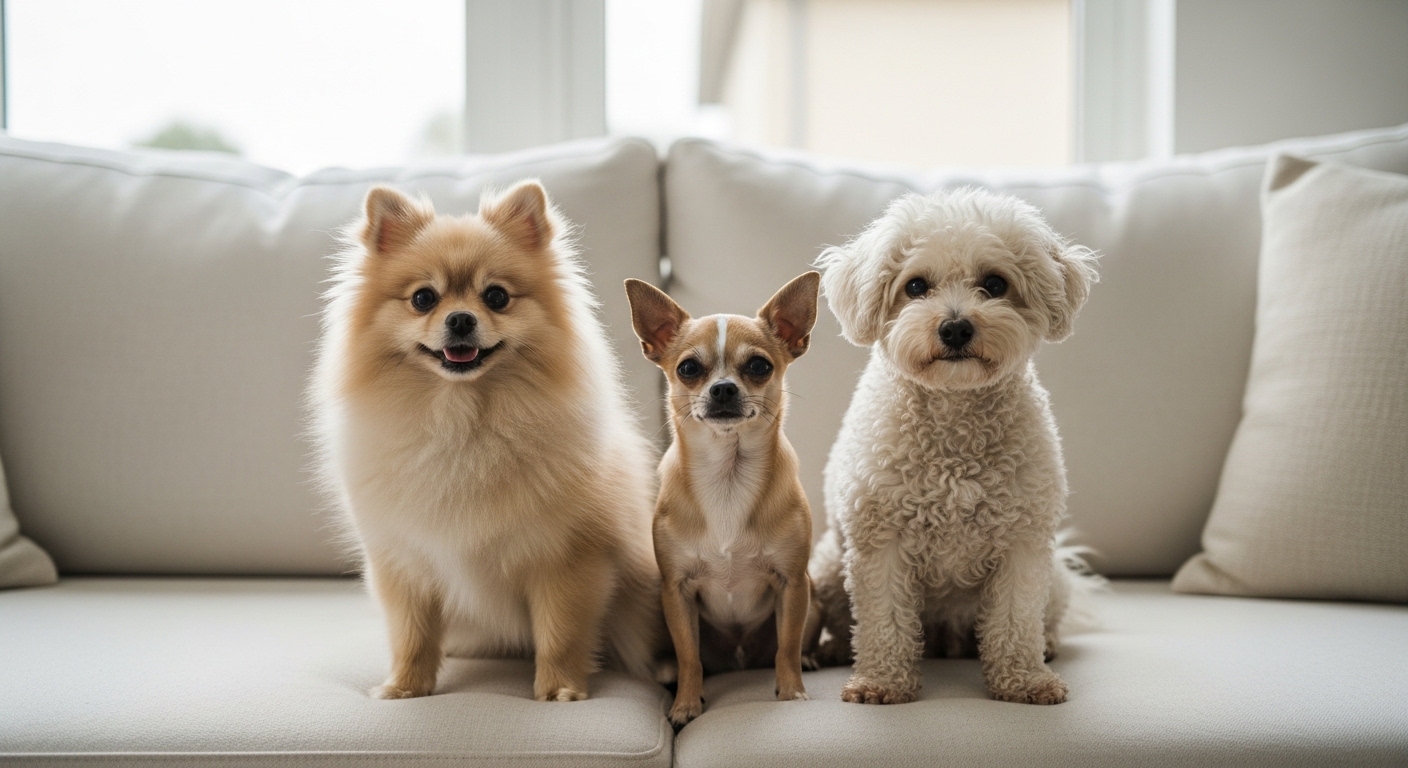
Small dogs have a way of making big promises. They look perfect in apartment listings, seem manageable on a budget, and win hearts in about thirty seconds flat. But owning a small dog is an experience layered with surprises some delightful, some humbling and the more you understand before bringing one home, the better the journey becomes for both of you.
Whether you are already set on a breed or still exploring your options, this article digs into everything that genuinely matters: temperament realities, health considerations, training truths, and how to pick the right small dog for your actual lifestyle rather than your fantasy one.
Why Small Dogs Have Such a Devoted Following
It is easy to dismiss small dog enthusiasm as a trend, but the loyalty runs deeper than aesthetics. Small dogs live remarkably long lives compared to large breeds. A Chihuahua or Toy Poodle can comfortably reach 14 to 18 years, which means the relationship you build is long, layered, and profoundly bonding.
They also adapt exceptionally well to varied living situations. A small dog does not need a backyard to thrive they can get meaningful exercise in a hallway, a park visit, or a lively play session indoors. For people in urban environments, this flexibility is not just convenient; it is transformative. City dwellers who assumed dog ownership was out of reach often discover that small dogs open the door wide.
Travel is another dimension where small dogs genuinely shine. Many airlines allow dogs under a certain weight to travel in-cabin, which eliminates the anxiety of cargo holds and keeps your companion close. For people who travel frequently for work or personal reasons, this alone tilts the scale significantly toward smaller breeds.
The Temperament Spectrum Small Dogs Are Not One Thing
One of the most important things to understand is that “small dog” is not a personality type it is just a size category. The temperament range within small breeds is enormous, and matching your energy and expectations to the right dog makes all the difference.
The Cavalier King Charles Spaniel is famously gentle, affectionate, and adaptable. It bonds deeply with its family, gets along beautifully with children and other pets, and has a calm, easygoing quality that suits quieter households. On the opposite end sits the Jack Russell Terrier a small dog with the intensity and athleticism of a working breed packed into a compact body. Jack Russells need outlets for their intelligence and energy or they will create their own entertainment, usually at your expense.
The French Bulldog sits somewhere in the middle playful and social, but not hyperactive. Bulldogs love attention and human company without demanding constant stimulation. The Shih Tzu, meanwhile, was literally bred for companionship and carries that legacy in everything it does affectionate, relatively calm, and deeply people-oriented.
Understanding where a breed falls on this spectrum before you commit prevents the frustration that comes from mismatched expectations. A first-time dog owner living alone in a small apartment and a family with three kids and a garden have very different ideal small dogs.
The Breeds Worth Knowing A Real World Look
Chihuahua
The Chihuahua is the smallest dog breed in the world, and it lives as if it has no idea. These dogs are ferociously loyal to their chosen person, often bonding intensely with one individual and treating everyone else with polite skepticism. They are intelligent, quick learners when motivated, and surprisingly energetic for their size. Their sassiness is legendary, but it is also what makes them so entertaining. Chihuahuas can be selective with strangers and other dogs, which means early and consistent socialization matters enormously.
Pomeranian
The Pomeranian is a spitz-type breed compressed into an impossibly fluffy package. Behind that cloud of fur sits a bold, curious, and highly alert dog that takes its role as a companion seriously sometimes too seriously, since Poms can be vocal watchdogs. They thrive on attention and mental stimulation and can develop demanding habits if they learn that barking or attention-seeking behaviors get results. Pomeranians respond well to training when it starts early and stays consistent.
Miniature Schnauzer
For people who want a small dog with the temperament of a working breed, the Miniature Schnauzer is a standout. They are sharp, energetic, and devoted to their families while remaining sensibly cautious around strangers. Schnauzers have a terrier spirit they love to dig, chase, and investigate but they are also notably trainable and respond well to positive reinforcement. Their low-shedding coat is a practical bonus for people with mild sensitivities.
Maltese
The Maltese is one of the oldest toy breeds in recorded history, and it has been refined over centuries into an almost archetypally companion-focused dog. Maltese dogs are gentle, playful, and remarkably adaptable. They do well in apartments and houses alike, they tend to get along with other pets, and they bond closely with their owners. Their silky white coat requires regular grooming, which is worth factoring into your time and budget planning.
Dachshund
The Dachshund affectionately called a sausage dog comes in two sizes (standard and miniature) and three coat varieties. What unites them all is a combination of stubbornness, curiosity, and charm that their owners find irresistible. Dachshunds were bred to hunt badgers, which explains their fearless attitude and their tendency to dig. They can be selective with strangers but are intensely loyal to their families. Their long spines require careful management jumping on and off furniture repeatedly can cause serious spinal issues over time.
Bichon Frise
The Bichon Frise is a cheerful, sociable dog that tends to get along with almost everyone people, children, other dogs. They have a playful energy that does not tip into hyperactivity, and their low-shedding coat makes them a popular choice for households where allergies are a concern. Bichons need regular grooming to keep their curly coat healthy, but their easy temperament and adaptability make them one of the most consistently recommended small dog breeds for first-time owners.
Toy Poodle
Intelligence-wise, the Toy Poodle is in a category of its own. These dogs learn at a startling pace, pick up complex commands quickly, and genuinely enjoy training sessions when they are kept engaging and reward-based. They are also emotionally sensitive they read their owners’ moods with impressive accuracy and can be affected by tension or stress in the household. Their low-shedding coat earns them a reputation as allergy-friendly, though no dog is truly hypoallergenic.
What Small Dog Syndrome Actually Means
The phrase gets thrown around often, and it is worth understanding what it actually describes. Small dog syndrome is not a medical diagnosis it is a behavioral pattern that develops when small dogs are not given the same structure, boundaries, and training expectations as larger dogs.
Because a small dog jumping on a person or growling at a visitor feels less physically threatening, owners often let it slide. Over time, the dog learns that these behaviors work, and what started as occasional is now consistent. The dog becomes controlling, anxious, and reactive not because of its size, but because of the inconsistency in how it was handled.
The fix is straightforward even if it requires intentional effort: treat your small dog like a dog. This means consistent rules, clear boundaries, regular training, and not carrying your dog through situations it should learn to handle on its own. A small dog that walks confidently on a leash, responds to commands, and knows where it stands in the household is a much happier dog than one that has learned to run the show through anxiety-driven behavior.
Training Small Dogs It Works When You Work It
Small dogs are fully trainable. The idea that they are somehow stubborn beyond reach is a myth largely born from inconsistent training rather than any inherent limitation. What they often need is slightly more patience and higher-value rewards than larger breeds, partly because they can be more independent-minded and partly because their motivation structures vary by breed.
Positive reinforcement is the only approach worth using. It builds trust, creates associations between behavior and reward, and makes the training process something both of you genuinely enjoy. Starting early ideally the moment your puppy arrives home sets the tone for everything that follows.
Socialization is equally critical and often underestimated. Small dogs that are exposed to a wide range of people, sounds, environments, and other animals during their early weeks and months develop into confident, well-adjusted adults. A small dog that grows up sheltered from new experiences tends to become fearful, and fear in dogs almost always expresses itself as reactivity.
Crate training, which is sometimes resisted by owners who feel it seems unkind, is actually one of the most valuable tools you can use. A crate gives a small dog a safe, defined space that is entirely its own. Dogs are den animals by nature, and a well-introduced crate becomes a place of comfort rather than confinement.
Health Considerations Every Small Dog Owner Should Know
Small dogs live long lives, which is one of their greatest gifts and it also means you will have more years to manage any health issues that emerge. Knowing what your specific breed is predisposed to allows you to be proactive rather than reactive.
Dental disease is one of the most common and most overlooked health issues in small dogs. Because their mouths are smaller, their teeth are more crowded, which accelerates plaque buildup and gum disease. Brushing your small dog’s teeth regularly ideally daily, realistically several times a week makes a significant difference. Dental chews and water additives help, but they are not substitutes for actual brushing.
Hypoglycemia, or low blood sugar, is a concern particularly in very small or toy breeds, especially as puppies. Young small breed dogs can crash quickly if they do not eat regularly, and the symptoms weakness, disorientation, trembling can escalate fast. Keeping to a consistent feeding schedule and knowing the warning signs matters.
Luxating patella, a condition where the kneecap slips out of its normal position, is common across many small breeds. Mild cases may cause occasional skipping or hopping without significant pain. Severe cases may require surgical correction. A good veterinarian will screen for this during regular checkups.
Tracheal collapse affects breeds like Chihuahuas, Pomeranians, and Yorkshire Terriers. The trachea, or windpipe, loses structural integrity and partially collapses during breathing, causing a characteristic honking cough. Using a harness instead of a collar for walks reduces pressure on the trachea and is strongly recommended for breeds with this predisposition.
Intervertebral disc disease (IVDD) is the primary concern for Dachshunds and other long-backed breeds. Managing their weight, using ramps instead of stairs, and limiting high-impact jumping significantly reduces risk over their lifetime.
Choosing a reputable breeder who conducts health testing on their breeding dogs, or adopting from a rescue with a thorough intake process, gives you the best foundation for a healthy dog.
Nutrition and Feeding Size Matters More Than You Think
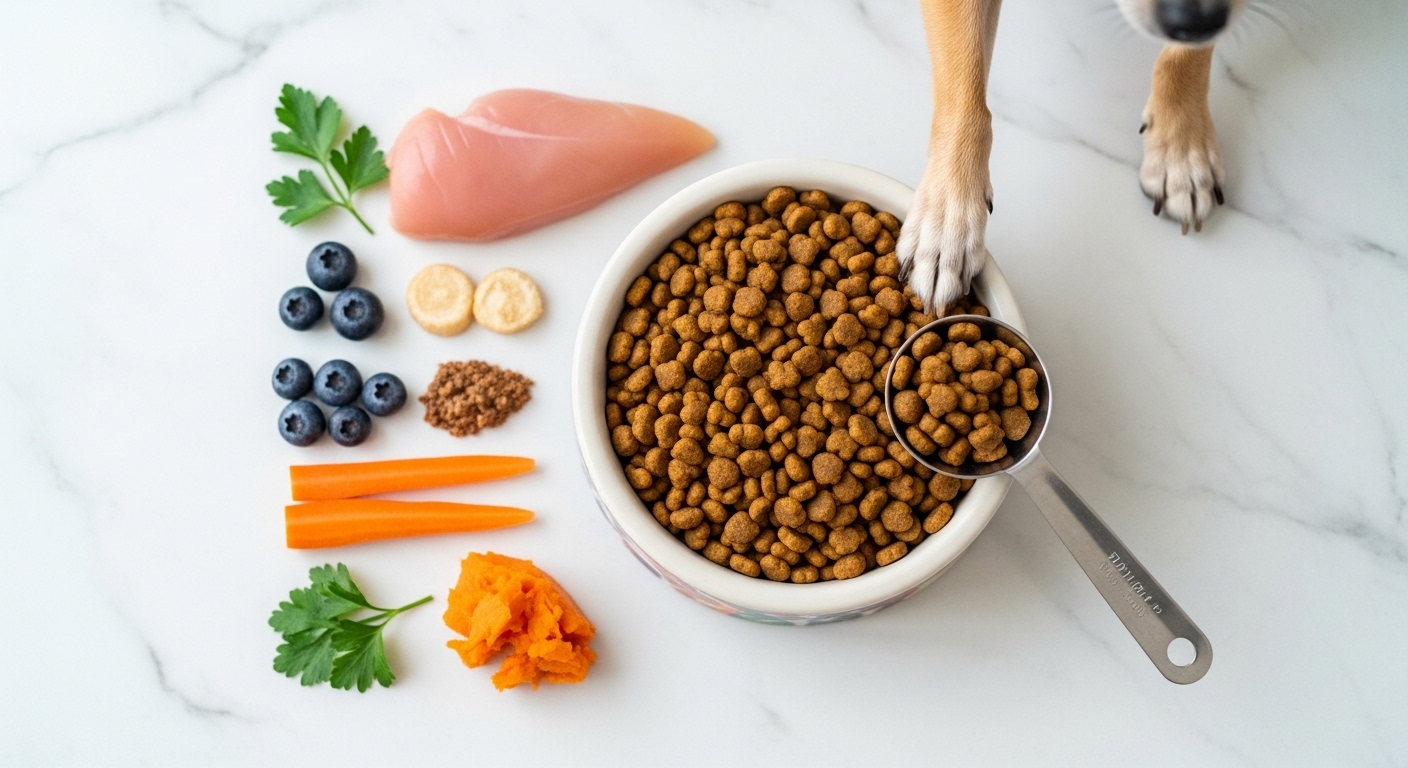
Small dogs have faster metabolisms than large breeds, which means their caloric needs per pound of body weight are actually higher but the total volume of food they eat daily is still small. This makes the quality of what you feed them proportionally more important. A low-quality food fed in small quantities gives a small dog very little nutritional value.
Look for foods where a high-quality protein source chicken, beef, fish, turkey appears as the first ingredient. Avoid foods where corn syrup, artificial preservatives, or unnamed meat meals dominate the ingredient list. Small-breed-specific formulas are formulated with smaller kibble sizes and adjusted nutrient profiles that account for the higher caloric density small dogs need.
Feeding frequency matters too. Adult small dogs generally do well with two meals per day. Puppies, especially very small ones, often benefit from three or even four small meals daily to keep their blood sugar stable. Free-feeding leaving food out all day works for some dogs but can lead to overeating and weight gain in others.
Obesity in small dogs is a real problem and a serious one. Excess weight puts pressure on joints, increases the risk of heart disease, and shortens lifespan. A Chihuahua or Yorkshire Terrier carrying even one extra pound is the equivalent of a much larger dog carrying a proportionally enormous amount of excess weight. Keep portions measured and treats accounted for in the daily caloric total.
Exercise Needs Less Than You Think More Than You Assume
The perception that small dogs do not need much exercise is partially true and partially misleading. Small dogs do not need to run miles daily. But they do need consistent physical activity and mental stimulation to stay healthy, well-behaved, and emotionally balanced.
Most small breeds do well with one to two walks per day ranging from fifteen to thirty minutes, supplemented with indoor play. Interactive toys, puzzle feeders, and training sessions all count as mental exercise and are often more tiring for a small dog than physical activity alone.
Breeds like the Jack Russell Terrier, Miniature Schnauzer, and Cairn Terrier are exceptions they have working breed energy packed into small frames and genuinely need more activity than the typical small dog. If you are drawn to these breeds, be honest about whether your lifestyle can support their exercise requirements.
On the other hand, Pugs, French Bulldogs, and other brachycephalic breeds have physical limitations that make intense exercise dangerous. Their shortened airways mean they overheat and tire quickly. Short, easy walks in cooler parts of the day suit them far better than long sessions in summer heat.
Grooming Realities What the Coat Requires
Grooming requirements vary dramatically across small breeds and should factor heavily into your decision. Some people underestimate how much time and money a high-maintenance coat demands.
Long-coated breeds like the Maltese, Shih Tzu, and Lhasa Apso need daily brushing to prevent tangles and matting, plus professional grooming every six to eight weeks. Yorkshire Terriers have a silky, continuously growing coat that requires similar dedication. If you keep these breeds in a shorter “puppy cut,” the maintenance is more manageable but still significant.
Wire-coated breeds like the Miniature Schnauzer require a process called hand-stripping to maintain the proper texture, though most pet owners opt for clipping instead. Smooth-coated breeds Chihuahuas, French Bulldogs, Beagles are dramatically easier to maintain with little more than a weekly brush and occasional bath.
Curly-coated breeds like the Toy Poodle and Bichon Frise shed minimally, which is a genuine advantage for allergy-prone households, but their coats grow continuously and require professional grooming every four to six weeks.
Budgeting for grooming is not optional with these breeds it is a recurring cost that belongs in your planning from day one.
Small Dogs and Families Getting the Match Right
Small dogs and families can be a wonderful combination, but compatibility depends heavily on the specific breed and the ages of the children involved. Very small dogs Chihuahuas, Toy Poodles, tiny Pomeranians can be easily injured by young children who do not yet understand how to handle animals gently. A toddler falling on a four-pound dog can cause serious harm.
Breeds like the Cavalier King Charles Spaniel, Beagle, Cocker Spaniel, and Bichon Frise tend to be more robust and more patient with the unpredictability of children. Teaching children proper dog interaction from the start no grabbing, no disturbing the dog while it eats or sleeps, respecting signals that the dog wants space is non-negotiable regardless of breed.
Multi-pet households generally work well with small dogs, particularly when introductions are done carefully. Many small dogs coexist happily with cats, especially when they grow up together. Bringing a small dog into a home with a large dog requires supervision and patience until both animals establish a comfortable dynamic.
The Real Cost of Owning a Small Dog
Purchase price or adoption fee is just the beginning. Understanding the true cost of small dog ownership helps you commit confidently rather than being blindsided down the road.
Veterinary care wellness visits, vaccinations, parasite prevention, and unexpected illness or injury is typically the largest recurring expense. Pet insurance is worth serious consideration, particularly for breeds with known health predispositions. Premiums paid monthly are far easier to absorb than a sudden emergency bill for surgery or hospitalization.
Food, grooming, training, toys, bedding, leashes, harnesses, and boarding or pet-sitting when you travel all accumulate quickly. Small dogs eat less than large breeds, which reduces food costs, but grooming-intensive breeds can cost a few hundred dollars per year in professional grooming alone.
None of these costs should be deal-breakers they are simply real numbers that deserve honest accounting before you make a commitment that will last fifteen or more years.
Adopting vs Buying The Honest Comparison
Both paths lead to wonderful dogs, and both have trade-offs worth understanding. Adopting a small dog from a rescue organization or shelter gives a dog a second chance, typically costs less in upfront fees, and often comes with a dog that is already spayed or neutered, vaccinated, and evaluated for temperament.
The trade-off is less predictability, particularly in terms of background and early socialization history. Many rescue small dogs adjust beautifully; others carry anxiety or behavioral challenges from difficult early experiences that require patience and sometimes professional support to work through.
Buying from a reputable breeder gives you more predictability in terms of health screening, temperament, and the dog’s early environment. A responsible breeder health-tests their breeding dogs, raises puppies in a home environment rather than a kennel, and supports buyers throughout the dog’s life. This comes at a higher upfront cost and requires careful research to distinguish ethical breeders from puppy mills or irresponsible backyard breeders.
Avoid purchasing small dogs from pet stores, online listings with multiple breeds available immediately, or any situation where the seller discourages a visit to see how the puppies are raised. These are strong indicators of poor breeding practices.
Conclusion
The most important question to ask before getting a small dog is not which breed looks appealing or which one fits your aesthetic preferences. It is whether your lifestyle, schedule, and honest energy level can support a dog that will need you consistently for the next fifteen or more years.
Small dogs ask for less space than large breeds and less food and less raw exercise but they do not ask for less love, less consistency, or less engagement. They are social animals with emotional lives, and they reflect directly how much time and attention you invest in them.
The small dogs that thrive are the ones whose owners went in with realistic expectations, chose a breed that genuinely fit their life, committed to training from the beginning, and treated their dog as a dog rather than an accessory. When those conditions exist, a small dog becomes one of the most rewarding relationships a person can have long-lived, deeply bonded, and endlessly characterful.
If you are still narrowing down your options, take time to research your shortlisted breeds in depth, speak with owners and breeders, and if possible, spend time with the breed before you decide. The right small dog for your life is out there and getting that match right makes every year together significantly better
Frequently Asked Questions
1. What is the easiest small dog to own for first-time dog owners?
The Cavalier King Charles Spaniel, Bichon Frise, and Maltese consistently rank as some of the most manageable small dogs for first-time owners. They have gentle, adaptable temperaments, respond well to training, and are generally sociable with people and other pets. The Toy Poodle is also an excellent choice for owners willing to invest in regular grooming their intelligence makes them one of the fastest learners in any size category.
2. Do small dogs bark more than large dogs?
Some small breeds are more vocal than others, but barking tendency is a breed trait, not a size-determined characteristic. Chihuahuas, Pomeranians, and Miniature Schnauzers tend to be more vocal and alert. Basset Hounds, Shih Tzus, and Cavaliers are generally quieter. In many cases, excessive barking in small dogs is a behavioral response to under-stimulation, anxiety, or owners who inadvertently reward barking with attention. Consistent training addresses this effectively.
3. Can small dogs be left alone during the workday?
Most adult small dogs can handle being alone for six to eight hours if they are adequately exercised beforehand and have stimulating toys or enrichment available. Very social breeds particularly the Cavalier King Charles Spaniel and Toy Poodle can develop separation anxiety if left alone extensively without proper conditioning. A midday dog walker, a doggy daycare arrangement a few days per week, or a second pet for company can make a significant difference for breeds that need more social time.
4. Are small dogs good for apartment living?
Many small breeds are genuinely excellent apartment dogs. The French Bulldog, Shih Tzu, Maltese, Pug, and Cavalier King Charles Spaniel adapt beautifully to smaller spaces. The key is not the apartment’s size but the amount of daily exercise and mental engagement the dog receives. A small dog that gets two solid walks and interactive playtime daily will be far more settled in an apartment than a bored, understimulated dog in a large house.
5. How do I stop my small dog from being aggressive with strangers?
Reactivity or aggression toward strangers in small dogs almost always traces back to inadequate socialization during puppyhood or to the owner inadvertently reinforcing fearful behavior by picking the dog up or soothing it excessively when it reacts. The solution involves gradual, controlled exposure to new people paired with positive reinforcement for calm behavior. In cases where the reactivity is significant, working with a certified professional dog trainer or behaviorist produces far faster and more reliable results than attempting to manage it alone.
6. What small dog is best for someone with allergies?
No dog is completely hypoallergenic, since most allergic reactions are triggered by proteins in dog saliva and skin cells rather than fur itself. However, low-shedding breeds significantly reduce allergen distribution in the home. The Toy Poodle, Bichon Frise, Miniature Schnauzer, Maltese, and Shih Tzu are commonly recommended for allergy-sensitive households. Spending time with the specific breed before committing is the most reliable way to assess your personal reaction.